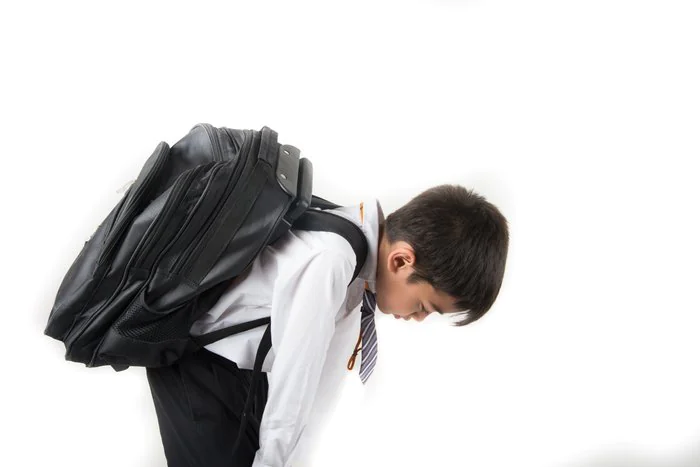
The first week of school always brings a familiar sight around Bend: kids trudging to the bus stop with backpacks that look bigger than they are, straps digging into small shoulders, spines curving forward under the weight. Most parents assume this is just part of growing up, but a backpack that is too heavy or worn incorrectly can quietly shape how a child’s spine develops.
At Pangea Chiropractic, we see the effects of poor posture and improper backpack habits in kids throughout the school year, and we want families in Bend to catch these issues early rather than waiting until pain shows up. We have already put together a full guide on backpack safety for kids, and this piece goes further into why the spine is so vulnerable during these growing years and what we watch for during pediatric visits.
Why Kids’ Spines Are So Sensitive to Backpack Weight
Children’s spines are still developing, so the bones, discs, and supporting muscles haven’t fully formed the strength adults rely on to carry heavy loads. When a backpack pulls a child’s shoulders backward or forces them to lean forward to compensate, the spine absorbs uneven pressure instead of distributing it evenly through the body. This is especially true during growth spurts, when bones lengthen faster than the surrounding muscles can strengthen, leaving the spine with less natural support than it will have just a year or two later.
Research published on HealthyChildren.org notes that backpacks should not weigh more than 15% of a child’s body weight, since heavier loads force kids to arch their backs or lean forward just to stay balanced. Over the course of a school year, that daily strain adds up and becomes one of the more common contributors to neck pain and back pain we see in younger patients. Many parents don’t realize how quickly the weight adds up once binders, laptops, water bottles, and after-school gear get stuffed into the same bag.
What We Look For During Pediatric Visits
When we evaluate a child at Pangea, we don’t just check for obvious injury. We watch for subtle signs that a young spine is already compensating for poor habits, since these patterns tend to get harder to reverse the longer they go unaddressed. A short posture check during a well visit can catch these patterns months or even years before a child ever complains of pain.
Some of the most common warning signs we watch for include:
- Red marks: Deep grooves or redness on the shoulders after removing the backpack
- Leaning forward: A visible forward lean while walking or standing with the bag on
- One-sided carrying: Consistently slinging the bag over one shoulder instead of both
- Complaints of numbness: Tingling or numbness in the arms or hands after wearing the pack
If we notice any of these patterns, we build a plan around gentle, pediatric-specific adjustments designed to support proper spinal alignment while a child’s body grows into its final shape.
How We Help Families Build Better Habits at Home
Chiropractic care is only part of the equation. We also work with parents on practical changes at home, like weighing a packed backpack on a bathroom scale before the first day back and adjusting what gets carried daily versus left in a locker or at home. Small routine changes like these often make a bigger difference than parents expect, and they cost nothing beyond a few extra minutes of planning each week.
We also talk with families about posture throughout the day, not just during the walk to school. Hours spent hunched over a desk or tablet can compound the strain a heavy backpack already places on a developing spine, which is part of why we take a whole-body approach to pediatric care rather than looking at backpack habits in isolation. Between classroom seating, screen time, and the walk home, a child’s spine is under more daily stress than most parents realize.
Why Families Trust Pangea Chiropractic With Their Kids’ Spines
Our team has been serving Bend, Oregon since 2012, and pediatric care has always been part of how we support the whole family, not just the adults. Dr. Andrew Torchio and our team of licensed chiropractors have taught hundreds of educational health classes throughout Central Oregon and have been voted Best Alternative Health Care Provider for six years running, so parents already trust us with the health decisions that matter most.
If your child’s backpack has been a source of stress at drop-off or you have noticed any of the warning signs above, we would love to help you get ahead of it before it becomes a bigger issue. Schedule an appointment with our team and let us take a look at how your child’s spine is handling the school year so far.