Sore muscles after a hard training block usually come with the same question: reach for ice, or reach for heat? Both feel like relief, but only one of them actually moves the needle on how quickly your spine and surrounding tissue bounce back, and the answer depends more on timing than most people realize.
At Pangea Chiropractic, we work with athletes and weekend warriors across Bend who are trying to figure out exactly this, and the honest answer is that cold and heat are not interchangeable tools. Each one changes blood flow, nerve signaling, and tissue repair in a different direction, and understanding those differences helps you use them at the right moment instead of guessing.
How Cold and Heat Affect Spinal Tissue Differently
Cold exposure narrows blood vessels near the surface of the skin and in the muscles below it. This vasoconstriction is the reason an ice pack takes the edge off swelling and sharp pain right after strain. For the spine specifically, cold can quiet down an acute flare, the kind that shows up after a long drive, a rough fall on the trail, or an aggressive workout that irritated a joint.
Heat works in the opposite direction. It widens blood vessels, which increases circulation to the area and helps deliver oxygen and nutrients that support tissue repair. A 2025 network meta-analysis published through the National Library of Medicine found that cold water immersion protocols vary widely in how much they reduce muscle soreness, with medium temperature exposure often striking a better balance than extreme cold. Heat, by contrast, tends to support the loosening of tight muscles and connective tissue around the spine, which is often what is actually limiting a person’s range of motion days after strain rather than lingering inflammation.
This is why timing matters so much. Cold in the first 24 to 48 hours after an acute injury can help manage swelling. Heat becomes more useful once that acute window has passed and the goal shifts to restoring flexibility and encouraging blood flow to tissue that has stiffened up.
When Cold Plunges Make Sense for Recovery
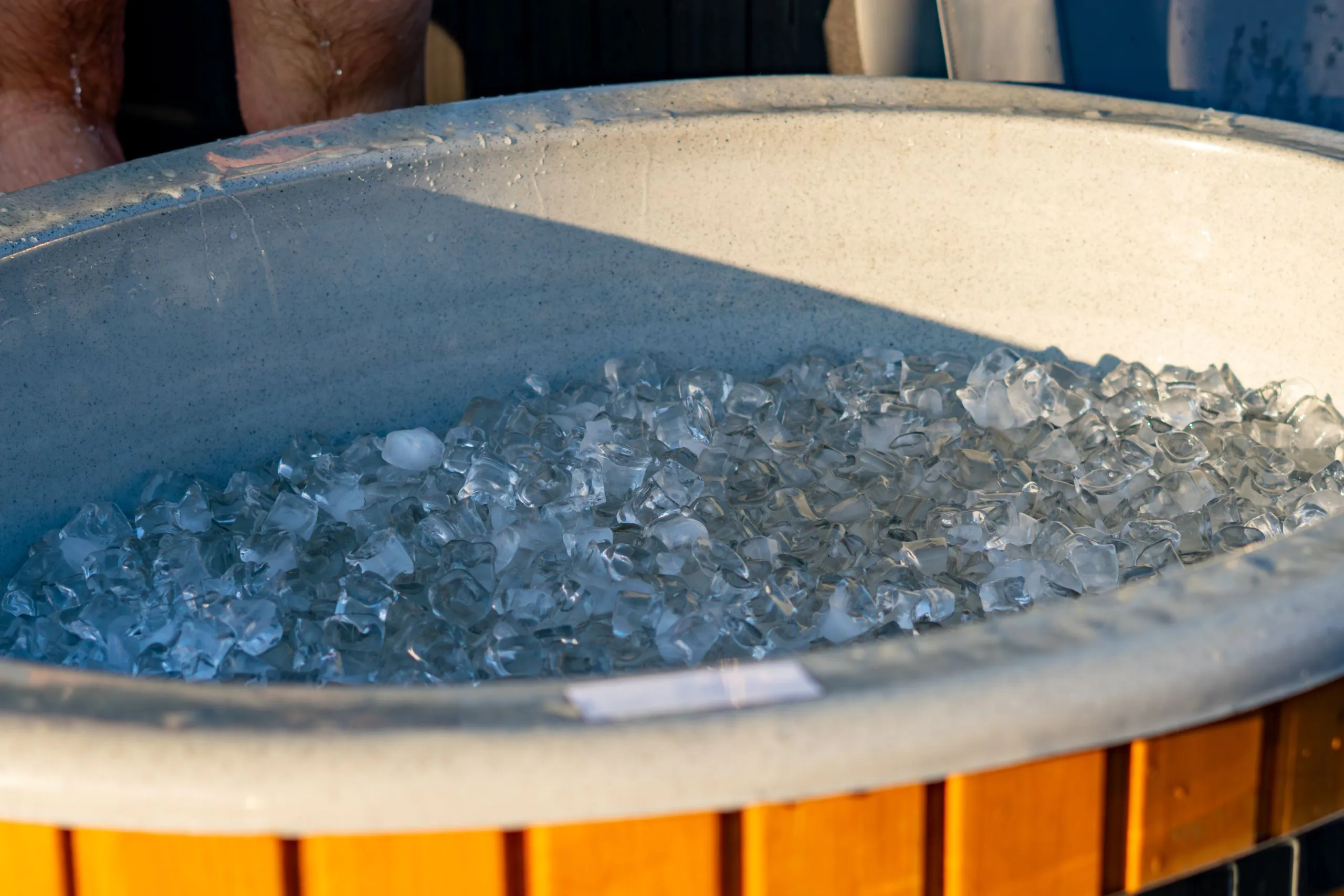
Cold plunging has become a fixture in Bend’s active community, and for good reason. Trail runners, cyclists, and skiers who train hard in the mountains often use cold immersion the same day as a tough session to manage acute inflammation and take the edge off deep muscle soreness before it sets in fully.
Where cold plunges tend to fall short is with chronic spinal stiffness. If your lower back has been tight for weeks rather than days, repeatedly icing the area is unlikely to address what is actually going on underneath, which is usually a joint or muscle group that is not moving the way it should. This is a case where cold provides short-term comfort without solving the underlying restriction.
Building a Simple Recovery Routine
Most people benefit from pairing temperature therapy with a few other habits rather than relying on it alone. Before reaching for the ice or the sauna, it helps to know what your spine actually needs that day.
- Move first: gentle mobility work before applying cold or heat helps the tissue respond better to either therapy.
- Hydrate consistently: dehydrated tissue is less pliable and recovers more slowly regardless of temperature exposure.
- Track patterns: note whether cold or heat produces more relief for your specific complaint so you can be intentional next time.
None of these steps replace a proper evaluation, but they give you a way to be more intentional about recovery between visits.
Why Heat Therapy Often Wins for Chronic Stiffness
For people dealing with ongoing tightness rather than a fresh injury, heat therapy tends to be the more useful tool. Warmth relaxes the muscles surrounding the spine, which can make adjustments more comfortable and help the nervous system settle rather than stay guarded around an area that has been sore for a long time.
Saunas, in particular, combine heat exposure with a broader nervous system benefit, which is part of why so many Bend residents build them into a weekly recovery rhythm alongside time outdoors. The goal with heat is rarely to mask pain the way cold can. It is to create the conditions for tissue to loosen enough that movement and manual care can do their job more effectively.
This is also where working with a provider matters most. Chronic spinal stiffness is rarely just a muscle problem. It is often tied to how the joints above and below the tight area are moving, which is something heat alone cannot fully resolve.
How Pangea Chiropractic Approaches Recovery
Our doctors bring more than 50 years of combined experience to figuring out which recovery approach fits each patient, and we have been recognized as Bend’s Best Alternative Health Care Provider for six consecutive years. Dr. Tyge Shelby’s background in Chiropractic Biophysics and low-force techniques means adjustments can be tailored precisely, whether someone is managing an acute flare or working through months of built-up tension from training. We also lean on more than a decade of hosting health workshops across Central Oregon to help patients understand which recovery tools actually fit their specific situation instead of guessing.
If cold plunges and sauna sessions have not been resolving your spinal stiffness or soreness the way you hoped, the missing piece may be a proper assessment of how your spine and joints are actually moving. You can schedule an appointment with our team to get a plan built around your specific recovery needs rather than a one-size-fits-all routine.